












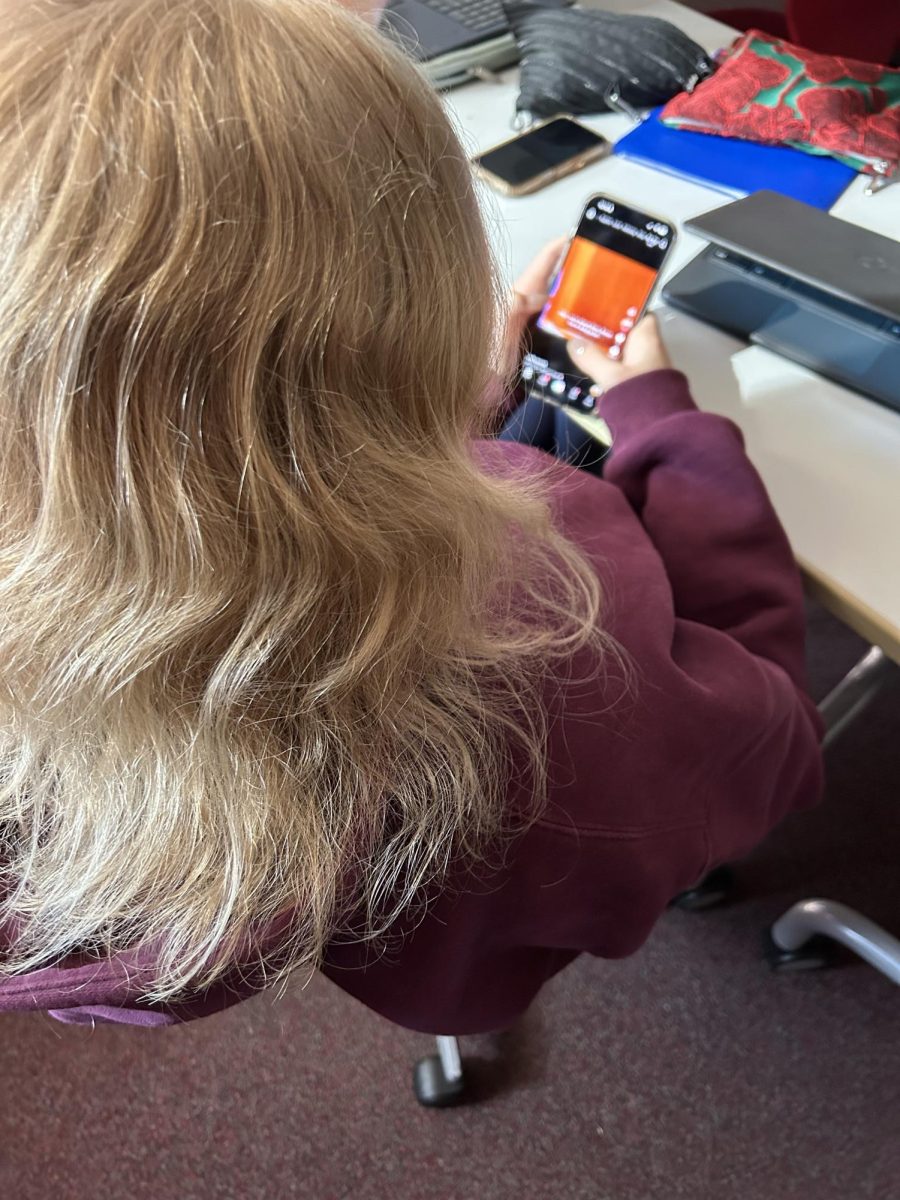








If you’re a teenager with parents who use Life360, you probably already know the drill–your phone buzzes, and your mom’s asking why you left your friend’s house 10 minutes ago, or your dad’s wondering why you “sped” going down the hill by school. It’s not exactly the type of freedom most of us imagined when we finally got our driver’s license.
I get it–Life360 was made to keep families safe. It shows your real-time location, tracks driving habits, and even has crash detection. In theory, that’s awesome. If something goes wrong, your parents can find you right away. For parents, it’s peace of mind. For teens, though? It can feel like you’re living with a digital ankle monitor.
To be fair, there are some upsides. My parents say Life360 helps them relax when I’m out late or driving somewhere new. They don’t have to text me every five minutes asking where I am. Honestly, that part’s kind of nice. And if I ever got into an accident or my phone died, it’d be a relief knowing they could find me fast.
Some of my friends even think Life360 gives them more independence because their parents are more comfortable letting them go out when they can see they’re safe. I can respect that. It’s not totally evil.
Still, there’s a line between safety and surveillance. When every move is tracked, it starts to feel like you’re not trusted. I know people whose parents check the app constantly, calling if their teen stays too long at a friend’s house or takes a detour after school. That kind of control doesn’t build trust, it breaks it.
Plus, the app isn’t perfect. GPS glitches, phones die, and signals drop. Sometimes, Life360 shows someone miles away from where they actually are, and parents freak out for no reason. It’s stressful for everyone.
Life360 can be useful if it’s used responsibly. It shouldn’t be about control, it should be about communication. If your parents want to use it, they should talk to you first. Set boundaries and have a plan for earning more trust and less tracking over time.
We’re at the age where we’re supposed to be learning independence. Mistakes and responsibility are part of that. If parents always rely on Life360 instead of trusting us, we don’t really get the chance to prove ourselves.
At the end of the day, Life360 isn’t the villain but it’s not the hero either. It’s just a tool, but like any tool it can help or hurt depending on how it’s used.
So maybe the real solution isn’t deleting the app, it’s having a conversation about trust, freedom, and what growing up really means.