













For many students, seminar used to be the one class that didn’t feel like just another period. It was a space to catch up on work, ask teachers for help, build study skills, and sometimes just breathe and take a break.
Now, with seminar greatly reduced, its absence is being felt more than some might have expected, not in a good way. The lack of seminar is quietly but seriously impacting students’ grades, stress levels, and overall school experience.
Seminar gave students dedicated time during the school day to work on assignments, study for tests, or get extra help. Without it, all that work gets pushed to after school, when students are already exhausted from sports, jobs, family responsibilities, or other activities.
Starting in 2023, the high school adopted a seminar schedule held around lunches Tuesdays and Thursdays by shortening other classes. This school year, with the addition of early releases every other Wednesday to allow teachers time for curriculum development, the seminar period was also moved to alternating Wednesdays.
However, seminar period has been less frequent even than that, as a “Seminar C” has grouped students with their same class during this period to work on career readiness and other district and state priorities.
In the process, seminar has become less than a quarter of what it used to be. In addition to the infrequency, the school has had multiple “frozen seminars,” during which students must remain in the classroom to complete district-assigned tasks instead of moving to work with peers and teachers.
During these last two years that had a two-a-week seminar schedule, Spring Lake High School proudly has had highly involved students, with over 90% involved in after school sports or clubs. With that said, almost everyone doesn’t have hours of free time at home, and not everyone has a quiet place to focus. Seminar helped level that playing field. Without it, students fall even further behind and quit their involvement in order to catch up. Are we limiting our students’ involvement in the community?
Seminar also made it easier to get help. Asking a teacher to reexplain content or provide aid on an assignment is very different from sending an email at 10 p.m. and hoping for a response before the assignment is due. In-person support matters, especially for students who are shy, confused, or unsure of what they don’t understand. Without a seminar, small questions turn into big problems, and grades suffer because of it.
I know from experience that when Spring Lake High School had two day a week seminar, my grades thrived and I passed classes with A’s that I wouldn’t do this year as a seminar day is once in a blue moon.
Beyond academics, the loss of seminar has taken a toll on student stress and mental health. High school is already demanding. Back-to-back classes with constant homework and assessments leave little room to reset. Seminar acted as a buffer a moment in the day to regroup, organize, and feel a little more in control. Now, many students feel like they’re constantly behind, constantly rushing, and constantly overwhelmed. That kind of pressure doesn’t motivate students, it burns them out.
Seminar is also a huge tool for our student council, as they use this period to meet, discuss, and plan activities and major decisions for the school. After asking Executive Vice President of the student council, McKenzie Judge, about this year’s change in the seminar schedule, she said, “We haven’t had a lot of meeting periods because of the new seminar schedule. It feels like we have gotten less things done compared to last year and it has been less productive.” With less time for our student body representatives to organize, is that hurting the students’ school experience?
Some might argue that removing seminar increases instructional time, but more class time doesn’t automatically mean better learning. If students are stressed, tired, and falling behind, they’re not fully absorbing what’s being taught anyway. Quality of learning matters just as much as quantity.
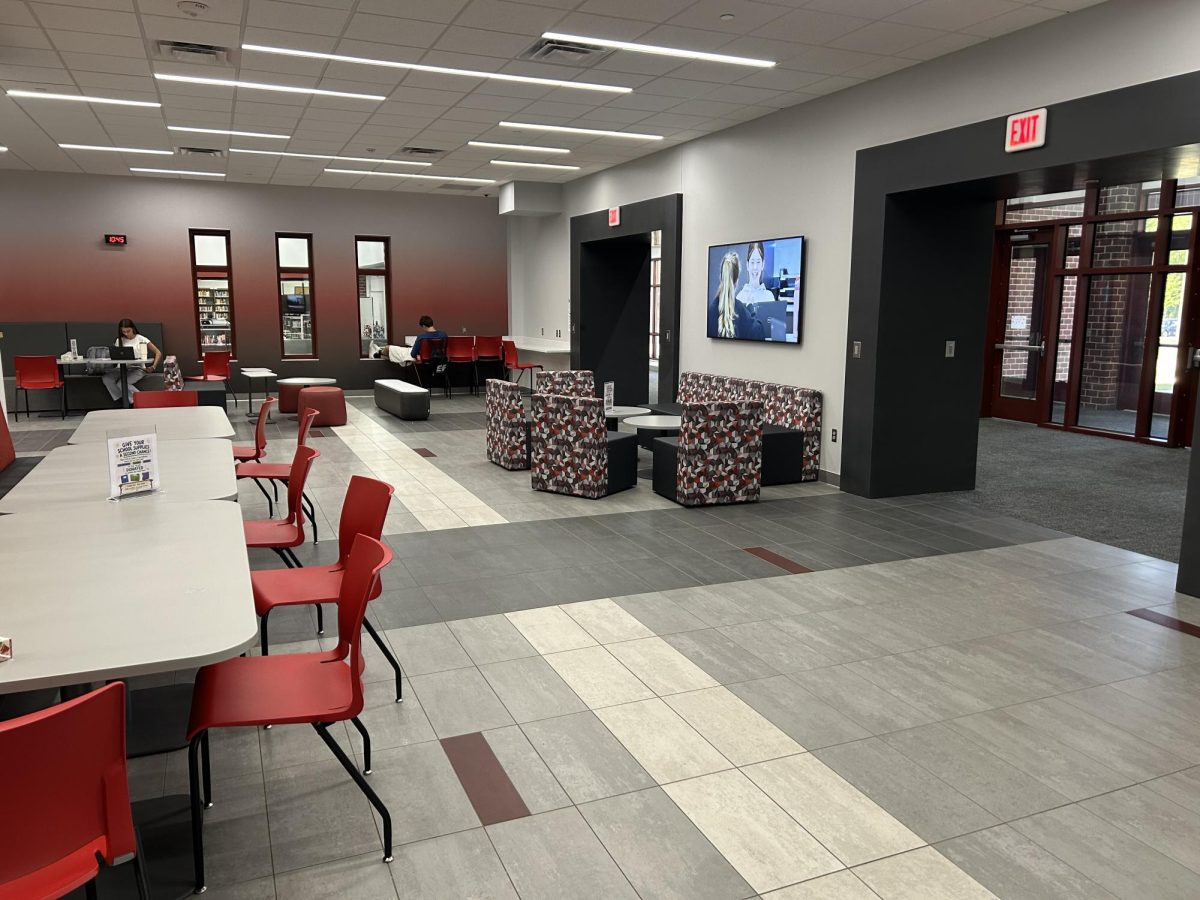
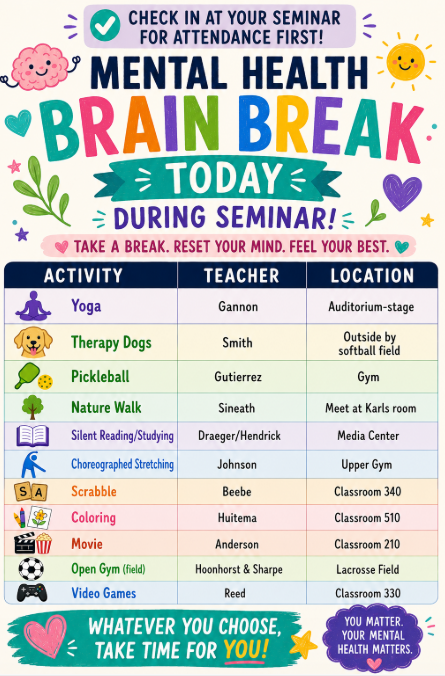
Another argument some might provoke is that kids won’t use seminar time to work and they will just cause disturbances for the others in the class. However, things like opening the gym for kids to mentally take a break, or opening the commons for people to socialize could be solutions for kids who don’t have anything to work on that day.
One of the many great reasons for prohibiting cell phones in Spring Lake High School was for kids to be more social for their peers, so having a time where kids can socialize if they not have work to be done can add to that mission and not only provides time management, but also time away from screens to be a kid.
Increasing seminar, or rethinking how support time is built into the school day, would be a step in the right direction. Students need structured time to succeed, not just expectations to figure it out on their own. Seminar wasn’t a waste of time. It was a support system. And its absence is proving just how important it really was.